Friday, May 06, 2011


Monday, May 02, 2011
Best Black Film Actresses By Decade:1930s&40s
The 1930s and 40s are combined here as they represent a time when most Blacks who even managed to work as actors in Hollywood were uncredited and mostly worked as extras on screen. Those few who bursts through the racial barriers were truly bright stars, enjoying immense visibility and popularity with wider audiences and especially with the Black community. In the 1930s, most Black women who appeared on screen played maids. The first Black actress guaranteed dignified roles and winning a real contract with a major studio was Lena Horne, who signed with MGM in 1942.It was a major milestone in cinema history and in Black history. Outside of mainstream Hollywood, Oscar Mischeaux was a successful, independent Black filmmaker who spotlighted several Black actresses. Josephine Baker took her talents and went to France where she became one of the greatest superstars in the universe, admired around the world. With all of this in mind, here are the ten best actresses of the 1930s and 1940s.
1. Lena Horne

One of Hollywood's greatest icons, the legendary singer, dancer,Civil Rights activist, and actress, Lena Horne blazed the trail for Blacks in Hollywood when in 1942, she became the first Black actor to sign a contract with a major studio. Signing with MGM, she appeared in ten films during the 1940s. The most significant of these have all become classics, including, Panama Hattie,Cabin in the Sky, and Stormy Weather. The title song of Stormy Weather lent Lena her signature song, a song with which she would be identified for the rest of her life. Read a fuller biography of her here.
2. Ethel Waters

A star on Broadway and in Harlem during the 1920s, at one point the highest paid performer on stage, Ethel Waters earned the nickname of "Sweet Mama Stringbean," for her sultry and seductive persona and her performances in the theatre and on the concert stage. Establishing a career as a singer as well as an actress, Waters came into Hollywood already a star. During the 1940s, she appeared in six films, including the iconic Cabin in the Sky in 1943. In 1949, she starred in the epic race drama, Pinky.
3. Nina Mae McKinney

Nina Mae McKinney first became known as the seductress, Chick in the first all-Black musical, Hallelujah! in 1929. She remained a prominent actress throughout the 1930s, 40s, and 50s, appearing in a string of films throughout the decades, including seven films during the 1940s. In 1949, she had a supporting role in the iconic race drama, Pinky starring Ethel Waters.
4. Ethel Moses

A popular Harlem star of the 1920s, Ethel Moses began her career as a dancer and a singer and as a chorus girl on Broadway. Moses rose to cinema fame as one of the leading ladies in the films of legendary Black filmmaker Oscar Mischeaux. With Mischeaux, Moses made several classic films, including Temptation in 1935, Underworld in 1937, God's Stepchildren in 1938, and Birthright in 1939.
5. Hattie MacDaniel

The legendary Hattie McDaniel will be known to history as the first Black person ever to win an Academy Award. After enjoying a steady career in Hollywood playing a domestic, in 1939, she won a part in the classic film, Gone With the Wind playing the part of Mammy. For her performance, she was awarded the 1939 Academy Award for Best Supporting Actress. She later was heard in the iconic Amos and Andy and starred in the 1950s TV sitcom, Beulah.
6. Fredi Washington

A popular actress of the 1930s, Fredi Washington appeared in two iconic films during the decade, Emperor Jones with Paul Robeson in 1933 and Imitation of Life with Louise Beavers and Claudette Colbert in 1934.
7. Josephine Baker
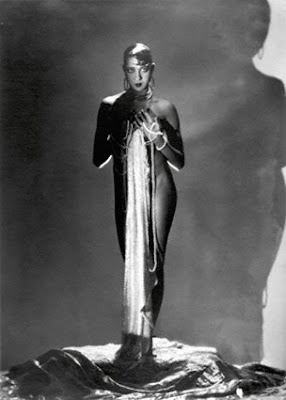
One of the world's first superstars, Josephine Baker got her start working Vaudeville and the chitlin and TOBA circuits around the country. By the time she was 15, she was on Broadway and starred in the iconic all-Black cast Broadway shows Shuffle Along in 1921 and Chocolate Dandies in 1924. Extended the opportunity to go to Paris and work, Josephine jumped at the opportunity, making her debut on the Paris stage in the classic La Revue Negre in 1925, appearing on stage wearing nothing but a string of feathers. She was an overnight sensation and proceeded to embark on a career that would land her as one of France's most treasured possessions and one of the world's greatest stars. In the middle of the Twentieth Century, Josephine Baker was the wealthiest Black woman in the world. She starred in ten films between the late 20s and the mid-fifties. Three of these became classics, Siren of the Tropics in 1927, Zou Zou in 1934, and Princess Tam Tam in 1935. After World War II, she was awarded the Croix de Guerre by the French government for her role in the French Resistance. She received the Legion of Honour in 1961. Baker was also one of the leaders of the American Civil Rights movement. At her death in 1975, she was given a state burial in Paris with full military honors.
8. Alice B. Russell
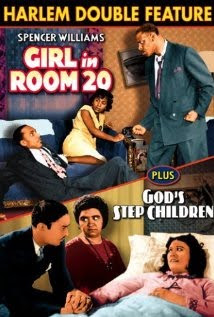
The wife of the legendary and pioneering Black filmmaker, Oscar Mischeaux (Russell is the actress in red that appears in the picture above), Alice B. Russell appeared in eleven films between the late 20s and the late forties, often appearing as the stern and wise maternal figure. Russell also worked behind the scenes as director and producer.
9. Dorothy Van Engle

Dorothy Van Engle was a popular actress in the 1930s and 1940s, one of Oscar Mischeaux's leading ladies. She starred in four of Mischeux's most popular films during the 1930s, Harlem After Midnight in 1934, Murder in Harlem in 1935, Swing in 1938, and God's Stepchildren in 1938.
10.Louise Beavers
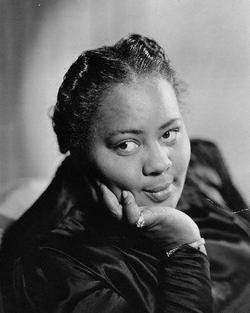
Louise Beavers enjoyed great popularity as an actress in the 1930s and 1940s, playing domestics in Hollywood films. One of the most constantly working Black actresses in Hollywood, she appeared in 133 films between 1930 and 1950. Her greatest role came in 1934 when she played Annie Johnson opposite Claudette Colbert in the original version of Imitation of Life.
Honorable Mentions:
Lucia Moses
Julia Moses
Hilda Simms
Hazel Scott
The 2000s
1. Lena Horne

One of Hollywood's greatest icons, the legendary singer, dancer,Civil Rights activist, and actress, Lena Horne blazed the trail for Blacks in Hollywood when in 1942, she became the first Black actor to sign a contract with a major studio. Signing with MGM, she appeared in ten films during the 1940s. The most significant of these have all become classics, including, Panama Hattie,Cabin in the Sky, and Stormy Weather. The title song of Stormy Weather lent Lena her signature song, a song with which she would be identified for the rest of her life. Read a fuller biography of her here.
2. Ethel Waters

A star on Broadway and in Harlem during the 1920s, at one point the highest paid performer on stage, Ethel Waters earned the nickname of "Sweet Mama Stringbean," for her sultry and seductive persona and her performances in the theatre and on the concert stage. Establishing a career as a singer as well as an actress, Waters came into Hollywood already a star. During the 1940s, she appeared in six films, including the iconic Cabin in the Sky in 1943. In 1949, she starred in the epic race drama, Pinky.
3. Nina Mae McKinney

Nina Mae McKinney first became known as the seductress, Chick in the first all-Black musical, Hallelujah! in 1929. She remained a prominent actress throughout the 1930s, 40s, and 50s, appearing in a string of films throughout the decades, including seven films during the 1940s. In 1949, she had a supporting role in the iconic race drama, Pinky starring Ethel Waters.
4. Ethel Moses

A popular Harlem star of the 1920s, Ethel Moses began her career as a dancer and a singer and as a chorus girl on Broadway. Moses rose to cinema fame as one of the leading ladies in the films of legendary Black filmmaker Oscar Mischeaux. With Mischeaux, Moses made several classic films, including Temptation in 1935, Underworld in 1937, God's Stepchildren in 1938, and Birthright in 1939.
5. Hattie MacDaniel

The legendary Hattie McDaniel will be known to history as the first Black person ever to win an Academy Award. After enjoying a steady career in Hollywood playing a domestic, in 1939, she won a part in the classic film, Gone With the Wind playing the part of Mammy. For her performance, she was awarded the 1939 Academy Award for Best Supporting Actress. She later was heard in the iconic Amos and Andy and starred in the 1950s TV sitcom, Beulah.
6. Fredi Washington

A popular actress of the 1930s, Fredi Washington appeared in two iconic films during the decade, Emperor Jones with Paul Robeson in 1933 and Imitation of Life with Louise Beavers and Claudette Colbert in 1934.
7. Josephine Baker

One of the world's first superstars, Josephine Baker got her start working Vaudeville and the chitlin and TOBA circuits around the country. By the time she was 15, she was on Broadway and starred in the iconic all-Black cast Broadway shows Shuffle Along in 1921 and Chocolate Dandies in 1924. Extended the opportunity to go to Paris and work, Josephine jumped at the opportunity, making her debut on the Paris stage in the classic La Revue Negre in 1925, appearing on stage wearing nothing but a string of feathers. She was an overnight sensation and proceeded to embark on a career that would land her as one of France's most treasured possessions and one of the world's greatest stars. In the middle of the Twentieth Century, Josephine Baker was the wealthiest Black woman in the world. She starred in ten films between the late 20s and the mid-fifties. Three of these became classics, Siren of the Tropics in 1927, Zou Zou in 1934, and Princess Tam Tam in 1935. After World War II, she was awarded the Croix de Guerre by the French government for her role in the French Resistance. She received the Legion of Honour in 1961. Baker was also one of the leaders of the American Civil Rights movement. At her death in 1975, she was given a state burial in Paris with full military honors.
8. Alice B. Russell

The wife of the legendary and pioneering Black filmmaker, Oscar Mischeaux (Russell is the actress in red that appears in the picture above), Alice B. Russell appeared in eleven films between the late 20s and the late forties, often appearing as the stern and wise maternal figure. Russell also worked behind the scenes as director and producer.
9. Dorothy Van Engle

Dorothy Van Engle was a popular actress in the 1930s and 1940s, one of Oscar Mischeaux's leading ladies. She starred in four of Mischeux's most popular films during the 1930s, Harlem After Midnight in 1934, Murder in Harlem in 1935, Swing in 1938, and God's Stepchildren in 1938.
10.Louise Beavers

Louise Beavers enjoyed great popularity as an actress in the 1930s and 1940s, playing domestics in Hollywood films. One of the most constantly working Black actresses in Hollywood, she appeared in 133 films between 1930 and 1950. Her greatest role came in 1934 when she played Annie Johnson opposite Claudette Colbert in the original version of Imitation of Life.
Honorable Mentions:
Lucia Moses
Julia Moses
Hilda Simms
Hazel Scott
The 2000s
Sunday, May 01, 2011
Best Black Film Actresses By Decade:1950s
The 1950s saw a burst of Black talent in Hollywood and in the world of entertainment in general. Seeing the start of the Civil Rights Movement, most of the better opportunities open to Blacks were found on television. Hollywood made its concessions as well, however, and several Black actresses found their names etched across the American pathos. The following are the top ten Black actresses of the 1950s.
1. Dorothy Dandridge
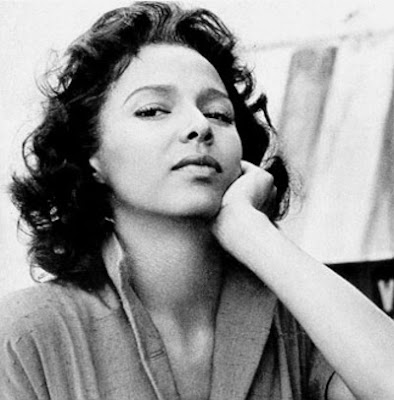
The phenomenal Dorothy Dandridge was the brightest Black star in the universe during the 1950s. A successful actress and singer, with a major career in the nightclubs and supper clubs, her first notable role during the fifties came in 1953's Bright Road, a film that was heralded by the NAACP. On landing the title role in Otto Preminger's all Black 1954 classic, Carmen Jones, Dandridge was catapulted to instant celebrity and became, for a brief time, the highest paid actress, Black or white, in Hollywood. Her performance as Carmen Jones garnered her a 1954 Oscar nomination for Best Actress in a Motion Picture. She was the first Black actress to be so honored. She had a score of other significant films after Carmen Jones, including Island in the Sun in 1957, Tamango in 1958, and Porgy and Bess in 1959. Her last major film in Hollywood was 1960's Malaga. Tragically, she died of a blood clot resulting from an injury in 1965.
2. Pearl Bailey
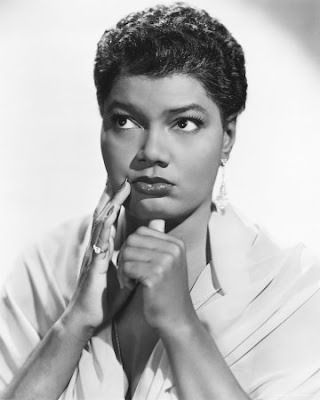
One of the most successful entertainers of all time, Pearl Bailey began her career as a successful Vaudeville and Broadway actress. By the 1950s, she had emerged in Hollywood as a popular actress and singer,landing the plum role of Frankie, the best friend, in the all Black 1954 classic Carmen Jones. She appeared in three more films that decade,including That Certain Feeling in 1956,St. Louis Blues in 1958,and Porgy and Bess in 1959.
3. Ethel Waters
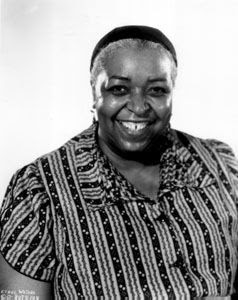
The legendary Ethel Waters was already a superstar, famous as a Vaudeville and Broadway actress and as a blues singer by the 1950s. With decades behind her in the extent of her fame, in the fifties, Waters adopted the on-screen persona of the matron and saint-a huge contrast from the reputation she had earned as a sultry and seductive Black Venus during the 1920s. She appeared in four films during the decade, The Member of the Wedding in 1952,the all-Black film Carib Gold in 1957,The Heart is a Rebel in 1958, and Sound and the Fury in 1959.
4. Juanita Moore
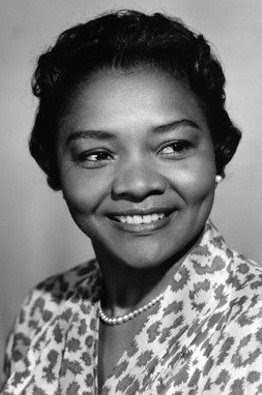
Juanita Moore rose to instant fame in 1959 playing Annie Jane Johnson, the distraught Black mother of a biracial girl who passes for white in the classic remake, Imitation of Life. She appeared in twenty films during the 1950s, mostly with uncredited appearances. Her most significant roles during the decade include Affair in Trinidad, Witness to Murder,Women's Prison,Ransom! and The Girl Can't Help It.
5. Ruby Dee
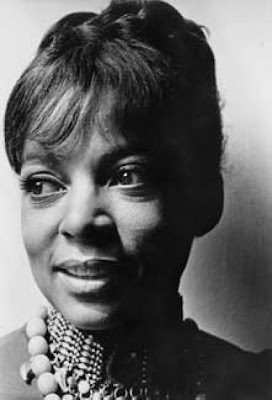
A successful Broadway actress and an outspoken Civil Rights activist, Ruby Dee started off the 1950s playing the wife of Jackie Robinson, opposite Jackie Robinson himself, in his 1950 biopic, The Jackie Robinson Story. She appeared in eight more films that decade, including No Way Out in 1950, The Tall Target in 1951, Go Man Go in 1954, The Great American Pastime in 1956, Edge of the City in 1957, St. Louis Blues in 1958, Our Virgin Island in 1959, and the iconic Take A Giant Step in 1959.
6. Beah Richards
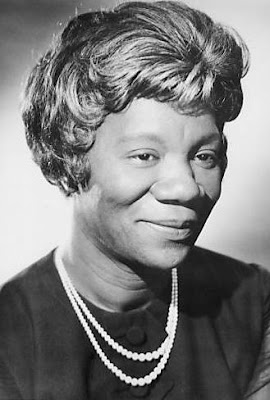
The formidable Beah Richards began her career in film during the 1950s. Her first significant role came in the iconic 1959 race drama, Take A Giant Step starring opposite Ruby Dee, Frederick O'Neal, and Johnny Nash.
7. Hazel Scott
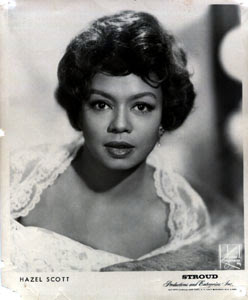
Hazel Scott was one of the most prominent African Americans of the 1930s, 40s and 50s. One of the premier pianists of her time, she traveled the world playing classical and jazz music. Scott began appearing in films in the 1940s and by the 1950s was such a popular presence that she earned the distinction of becoming the first Black woman to host her own television show, The Hazel Scott Show, which aired in 1950. Her career waned soon after the start of her television show, however, as she was blacklisted because of her criticism of McCarthyism and her public defense of friends and colleagues who had been targeted by McCarthy and because of her Civil Rights activism. In the 1950s, she appeared in two films, A Bullet in the Gun Barrel and The Night Affair, both in 1958. In 1945, Scott married New York Congressman, Adam Clayton Powell, Jr with whom she had one child,Adam Clayton Powell III. They divorced in 1956.
8. Eartha Kitt
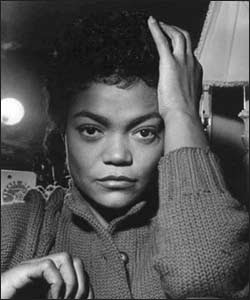
The sultry seductress, Eartha Kitt, who rose to fame in the 1940s in Paris, was one of the biggest stars in the world during the 1950s. Along with a successful recording career, Kitt made numerous appearances on American television during the 1940s and 1950s and appeared in three motion pictures during the decade, The Mark of the Hawk in 1957 and St. Louis Blues and Anna Lucasta in 1958.
9. Diahann Carroll

Diahann Carroll made her start as an entertainer in the 1950s when a friend sent her photograph to Ebony Magazine, which subsequently led to a modeling contract. In 1954, she made her Hollywood and Broadway debuts in the iconic all-Black film Carmen Jones and House of Flowers respectively. In 1959, she appeared in another iconic film with an all-Black cast, Porgy and Bess.
10. Louise Beavers
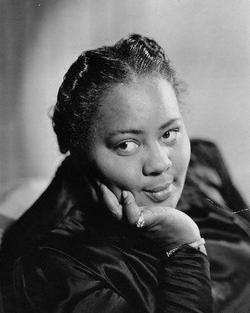
Louise Beavers had a steady and active career in the 1930s and 1940s playing domestics on screen. By the 1950s, she was a well-known and well-respected presence in Hollywood. In 1950, she appeared as the mother of Jackie Robinson in The Jackie Robinson Story alongside Jackie Robinson and Ruby Dee.
Honorable Mentions:
Lena Horne
Carol Channing
The 1930s&40s
1. Dorothy Dandridge

The phenomenal Dorothy Dandridge was the brightest Black star in the universe during the 1950s. A successful actress and singer, with a major career in the nightclubs and supper clubs, her first notable role during the fifties came in 1953's Bright Road, a film that was heralded by the NAACP. On landing the title role in Otto Preminger's all Black 1954 classic, Carmen Jones, Dandridge was catapulted to instant celebrity and became, for a brief time, the highest paid actress, Black or white, in Hollywood. Her performance as Carmen Jones garnered her a 1954 Oscar nomination for Best Actress in a Motion Picture. She was the first Black actress to be so honored. She had a score of other significant films after Carmen Jones, including Island in the Sun in 1957, Tamango in 1958, and Porgy and Bess in 1959. Her last major film in Hollywood was 1960's Malaga. Tragically, she died of a blood clot resulting from an injury in 1965.
2. Pearl Bailey

One of the most successful entertainers of all time, Pearl Bailey began her career as a successful Vaudeville and Broadway actress. By the 1950s, she had emerged in Hollywood as a popular actress and singer,landing the plum role of Frankie, the best friend, in the all Black 1954 classic Carmen Jones. She appeared in three more films that decade,including That Certain Feeling in 1956,St. Louis Blues in 1958,and Porgy and Bess in 1959.
3. Ethel Waters

The legendary Ethel Waters was already a superstar, famous as a Vaudeville and Broadway actress and as a blues singer by the 1950s. With decades behind her in the extent of her fame, in the fifties, Waters adopted the on-screen persona of the matron and saint-a huge contrast from the reputation she had earned as a sultry and seductive Black Venus during the 1920s. She appeared in four films during the decade, The Member of the Wedding in 1952,the all-Black film Carib Gold in 1957,The Heart is a Rebel in 1958, and Sound and the Fury in 1959.
4. Juanita Moore

Juanita Moore rose to instant fame in 1959 playing Annie Jane Johnson, the distraught Black mother of a biracial girl who passes for white in the classic remake, Imitation of Life. She appeared in twenty films during the 1950s, mostly with uncredited appearances. Her most significant roles during the decade include Affair in Trinidad, Witness to Murder,Women's Prison,Ransom! and The Girl Can't Help It.
5. Ruby Dee

A successful Broadway actress and an outspoken Civil Rights activist, Ruby Dee started off the 1950s playing the wife of Jackie Robinson, opposite Jackie Robinson himself, in his 1950 biopic, The Jackie Robinson Story. She appeared in eight more films that decade, including No Way Out in 1950, The Tall Target in 1951, Go Man Go in 1954, The Great American Pastime in 1956, Edge of the City in 1957, St. Louis Blues in 1958, Our Virgin Island in 1959, and the iconic Take A Giant Step in 1959.
6. Beah Richards

The formidable Beah Richards began her career in film during the 1950s. Her first significant role came in the iconic 1959 race drama, Take A Giant Step starring opposite Ruby Dee, Frederick O'Neal, and Johnny Nash.
7. Hazel Scott

Hazel Scott was one of the most prominent African Americans of the 1930s, 40s and 50s. One of the premier pianists of her time, she traveled the world playing classical and jazz music. Scott began appearing in films in the 1940s and by the 1950s was such a popular presence that she earned the distinction of becoming the first Black woman to host her own television show, The Hazel Scott Show, which aired in 1950. Her career waned soon after the start of her television show, however, as she was blacklisted because of her criticism of McCarthyism and her public defense of friends and colleagues who had been targeted by McCarthy and because of her Civil Rights activism. In the 1950s, she appeared in two films, A Bullet in the Gun Barrel and The Night Affair, both in 1958. In 1945, Scott married New York Congressman, Adam Clayton Powell, Jr with whom she had one child,Adam Clayton Powell III. They divorced in 1956.
8. Eartha Kitt

The sultry seductress, Eartha Kitt, who rose to fame in the 1940s in Paris, was one of the biggest stars in the world during the 1950s. Along with a successful recording career, Kitt made numerous appearances on American television during the 1940s and 1950s and appeared in three motion pictures during the decade, The Mark of the Hawk in 1957 and St. Louis Blues and Anna Lucasta in 1958.
9. Diahann Carroll

Diahann Carroll made her start as an entertainer in the 1950s when a friend sent her photograph to Ebony Magazine, which subsequently led to a modeling contract. In 1954, she made her Hollywood and Broadway debuts in the iconic all-Black film Carmen Jones and House of Flowers respectively. In 1959, she appeared in another iconic film with an all-Black cast, Porgy and Bess.
10. Louise Beavers

Louise Beavers had a steady and active career in the 1930s and 1940s playing domestics on screen. By the 1950s, she was a well-known and well-respected presence in Hollywood. In 1950, she appeared as the mother of Jackie Robinson in The Jackie Robinson Story alongside Jackie Robinson and Ruby Dee.
Honorable Mentions:
Lena Horne
Carol Channing
The 1930s&40s
Thursday, April 28, 2011
Best Black Film Actresses By Decade:1960s
The 1960s saw an explosion of Black female faces on the American cultural scene. The 1950s had introduced the American public to the Black leading lady in the person of Dorothy Dandridge. The 60s prepared the American public for a series of firsts: Diahann Carroll became the first Black woman to star in her own television series with the hit sitcom, Julia and Eartha Kitt became the first Black female superheroine when she took on the role of Catwoman in the iconic television series, Batman. With regards to film, Diahann Carroll was clearly the most successful and lauded Black actress of the decade, landing prominent screen roles throughout the decade. Beah Richards etched her name into cinema history when she received an Academy Award nomination for Best Supporting Actress for her performance as Sidney Poitier's mother in 1967's Guess Who's Coming To Dinner. Indeed, the 1960s saw the beginning of Black women receiving wider recognition and visibility in dignified roles on both the silver and the small screens.
1. Diahann Carroll
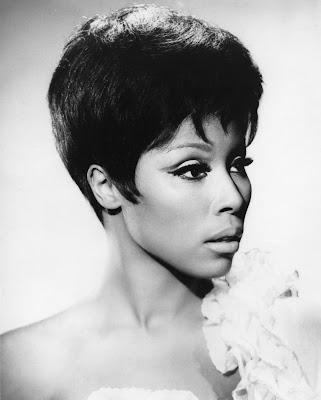
In the 1960s, Diahann Carroll was the most successful Black, female star in Hollywood.A triple threat with successful careers on the Broadway stage, as a singer, and in Hollywood,Diahann was a fierce presence who, more than any other Black actress, commanded substantial roles on screen. In 1961,she starred in the classic Paris Blues alongside Sidney Poitier, Joanne Woodward and Paul Newman and in 1967, she co-starred with Jane Fonda in the race drama Hurry Sundown.
2. Diana Sands
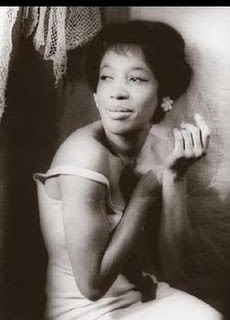
Diana Sands' was a fresh, joyous face on the Hollywood scene. With enormous talent and vitality, she rose to instant fame in 1961,starring as the strong-willed, determined, and ambitious Beneatha Younger in the iconic screen adaptation of Lorraine Hansberry's celebrated play, A Raisin in the Sun alongside Sidney Poitier, Ruby Dee, and Claudia McNeil. She starred in two more films during the 1960s as well as originated the role of Doris Wilgus on Broadway in the play The Owl and the Pussycat, which Barbra Streisand brought to screen in 1970. Tragically, Sands died from cancer at the age of 39 in 1973.
3. Ruby Dee
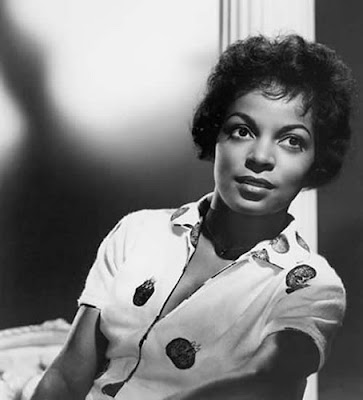
One half of the most legendary acting couple in history, Ruby Dee has earned the reputation of being one of the finest actresses in the industry.She is also one of the pioneers of the Civil Rights Movement and an outspoken activist on human rights and social justice issues. An accomplished Broadway actress, Dee made a string of movies throughout the 1940s and 50s and earned her highest praise in the defining role of Ruth Younger in the 1961 film version of A Raisin in the Sun opposite Sidney Poitier,Diana Sands, and Claudia McNeil. Her performance as Ruth in the film was Oscar-worthy and is one of the most memorable performances in Hollywood history. After A Raisin in the Sun, she continued to make films during the sixties, her most notable appearances being in the iconic films, Gone Are the Days in 1963, The Incident in 1967, and Up Tight in 1968.
4. Paula Kelly
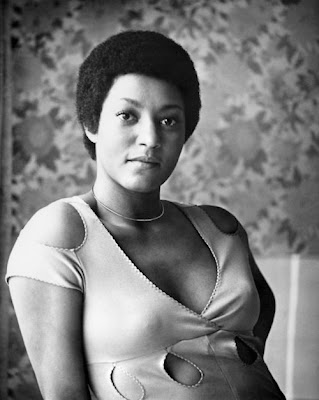
The multi-talented dancer and actress, Paula Kelley, made her film debut in the 1969 musical Sweet Charity opposite fellow dancers Shirley MacLaine and Chita Rivera. The film, which also starred Sammy Davis Jr., Ben Vereen, and Ricardo Montalban,was nominated for three Oscars and launched Kelly's career in Hollywood, leading to a very prominent career for her during the 1970s.
5. Abbey Lincoln
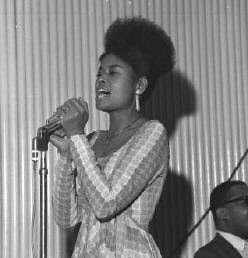
The legendary jazz singer, Abbey Lincoln was also an actress and one of the most important actresses of the 1960s. Beginning her career as a singer in the supper clubs, Lincoln was quickly discovered by Hollywood, making her screen debut in the 1956 film The Girl Can't Help It opposite Jayne Mansfield. In 1964, she starred in the politically significant film, Nothing But A Man opposite Ivan Dixon, famously giving up her cherished Afro (a very personal political statement on her part) and adopting a processed look to play the role of Josie. She followed this up with another iconic film, 1968's For the Love of Ivy, starring opposite Sidney Poitier. She received a Golden Globe nomination for her performance in the film in 1969.
6. Gloria Foster
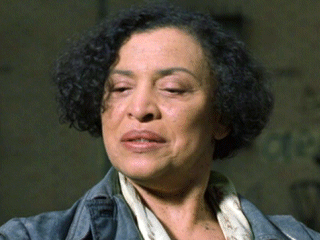
Best known for her roles in the Matrix, Foster first gained fame as the girlfriend and caretaker of Ivan Dixon's father in the iconic 1964 classic Nothing But A Man. She was prominently cast in two other films during the Sixties, 1964's The Cool World and 1967's The Comedians alongside Elizabeth Taylor and Richard Burton.
7. Beah Richards
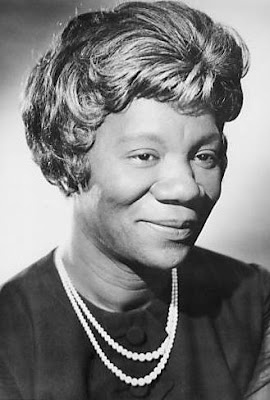
In the 1960s, Beah Richards personified the dignified Black woman in Hollywood. Appearing in five films that decade, including The Miracle Worker and Hurry Sundown, she rose to her greatest fame playing the mother of Sidney Poitier in the 1967 classic, Guess Who's Coming to Dinner alongside Katherine Hepburn and Spencer Tracy. She received an Academy Award nomination for Best Supporting Actress for her performance in the film. She also starred in the iconic 1967 film, In the Heat of the Night with Sidney Poitier.
8. Isabel Sanford
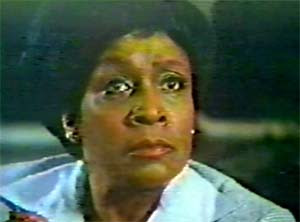
Isabel Sanford, who became known to history as Louise Jefferson in one of the most popular sitcoms of all time,The Jeffersons, made her screen debut after a long career on Broadway in 1967 in the role of Tillie, the opinionated maid alongside Katherine Hepburn, Spencer Tracy, and Sidney Poitier in the classic Guess Who's Coming to Dinner. The role made her a star and she subsequently appeared in three more feature films during the 1960s, The Young Runaways, Pendulum, and The Comic.
9. Cicely Tyson
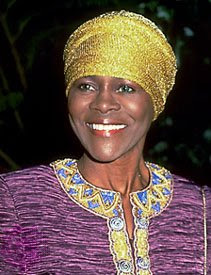
Over the years, Cicely Tyson has earned a reputation as one of the most regal actresses in the entertainment industry. During the 1960s, Tyson made a name for herself on television and also scored a number of film roles as well, beginning with 1966's A Man Called Adam. Appearing in two more films that decade, her most notable role came as Portia in the film adaptation of Carson McCullers' novel, The Heart is a Lonely Hunter.
10. Eartha Kitt
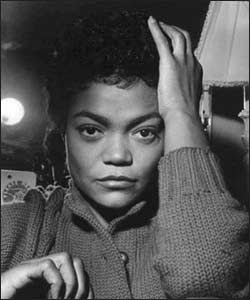
The sexy, sultry, and consummate seductress, Eartha Kitt got her start in the early 40s as a dancer in the Katherine Dunham troupe and rose to fame as a singer in Paris in the years following World War II. In the 1960s, Kitt became a legend in the role of Catwoman in the iconic Batman television show. She also appeared in three films that decade, Saint of Devil's Island in 1961, Uncle Tom's Cabin in 1965, and Synanon in 1965.
Honorable Mentions:
Leslie Uggams
Claudia McNeil
Estelle Evans
The 1950s
1. Diahann Carroll

In the 1960s, Diahann Carroll was the most successful Black, female star in Hollywood.A triple threat with successful careers on the Broadway stage, as a singer, and in Hollywood,Diahann was a fierce presence who, more than any other Black actress, commanded substantial roles on screen. In 1961,she starred in the classic Paris Blues alongside Sidney Poitier, Joanne Woodward and Paul Newman and in 1967, she co-starred with Jane Fonda in the race drama Hurry Sundown.
2. Diana Sands

Diana Sands' was a fresh, joyous face on the Hollywood scene. With enormous talent and vitality, she rose to instant fame in 1961,starring as the strong-willed, determined, and ambitious Beneatha Younger in the iconic screen adaptation of Lorraine Hansberry's celebrated play, A Raisin in the Sun alongside Sidney Poitier, Ruby Dee, and Claudia McNeil. She starred in two more films during the 1960s as well as originated the role of Doris Wilgus on Broadway in the play The Owl and the Pussycat, which Barbra Streisand brought to screen in 1970. Tragically, Sands died from cancer at the age of 39 in 1973.
3. Ruby Dee

One half of the most legendary acting couple in history, Ruby Dee has earned the reputation of being one of the finest actresses in the industry.She is also one of the pioneers of the Civil Rights Movement and an outspoken activist on human rights and social justice issues. An accomplished Broadway actress, Dee made a string of movies throughout the 1940s and 50s and earned her highest praise in the defining role of Ruth Younger in the 1961 film version of A Raisin in the Sun opposite Sidney Poitier,Diana Sands, and Claudia McNeil. Her performance as Ruth in the film was Oscar-worthy and is one of the most memorable performances in Hollywood history. After A Raisin in the Sun, she continued to make films during the sixties, her most notable appearances being in the iconic films, Gone Are the Days in 1963, The Incident in 1967, and Up Tight in 1968.
4. Paula Kelly

The multi-talented dancer and actress, Paula Kelley, made her film debut in the 1969 musical Sweet Charity opposite fellow dancers Shirley MacLaine and Chita Rivera. The film, which also starred Sammy Davis Jr., Ben Vereen, and Ricardo Montalban,was nominated for three Oscars and launched Kelly's career in Hollywood, leading to a very prominent career for her during the 1970s.
5. Abbey Lincoln

The legendary jazz singer, Abbey Lincoln was also an actress and one of the most important actresses of the 1960s. Beginning her career as a singer in the supper clubs, Lincoln was quickly discovered by Hollywood, making her screen debut in the 1956 film The Girl Can't Help It opposite Jayne Mansfield. In 1964, she starred in the politically significant film, Nothing But A Man opposite Ivan Dixon, famously giving up her cherished Afro (a very personal political statement on her part) and adopting a processed look to play the role of Josie. She followed this up with another iconic film, 1968's For the Love of Ivy, starring opposite Sidney Poitier. She received a Golden Globe nomination for her performance in the film in 1969.
6. Gloria Foster

Best known for her roles in the Matrix, Foster first gained fame as the girlfriend and caretaker of Ivan Dixon's father in the iconic 1964 classic Nothing But A Man. She was prominently cast in two other films during the Sixties, 1964's The Cool World and 1967's The Comedians alongside Elizabeth Taylor and Richard Burton.
7. Beah Richards

In the 1960s, Beah Richards personified the dignified Black woman in Hollywood. Appearing in five films that decade, including The Miracle Worker and Hurry Sundown, she rose to her greatest fame playing the mother of Sidney Poitier in the 1967 classic, Guess Who's Coming to Dinner alongside Katherine Hepburn and Spencer Tracy. She received an Academy Award nomination for Best Supporting Actress for her performance in the film. She also starred in the iconic 1967 film, In the Heat of the Night with Sidney Poitier.
8. Isabel Sanford

Isabel Sanford, who became known to history as Louise Jefferson in one of the most popular sitcoms of all time,The Jeffersons, made her screen debut after a long career on Broadway in 1967 in the role of Tillie, the opinionated maid alongside Katherine Hepburn, Spencer Tracy, and Sidney Poitier in the classic Guess Who's Coming to Dinner. The role made her a star and she subsequently appeared in three more feature films during the 1960s, The Young Runaways, Pendulum, and The Comic.
9. Cicely Tyson

Over the years, Cicely Tyson has earned a reputation as one of the most regal actresses in the entertainment industry. During the 1960s, Tyson made a name for herself on television and also scored a number of film roles as well, beginning with 1966's A Man Called Adam. Appearing in two more films that decade, her most notable role came as Portia in the film adaptation of Carson McCullers' novel, The Heart is a Lonely Hunter.
10. Eartha Kitt

The sexy, sultry, and consummate seductress, Eartha Kitt got her start in the early 40s as a dancer in the Katherine Dunham troupe and rose to fame as a singer in Paris in the years following World War II. In the 1960s, Kitt became a legend in the role of Catwoman in the iconic Batman television show. She also appeared in three films that decade, Saint of Devil's Island in 1961, Uncle Tom's Cabin in 1965, and Synanon in 1965.
Honorable Mentions:
Leslie Uggams
Claudia McNeil
Estelle Evans
The 1950s
Wednesday, April 27, 2011
My Response to the Birther Issue
It is time we stop privileging white capitalist patriarchy in this society.The world is tired of white male bullshit and ain't gonna take much more.
Tuesday, April 26, 2011
Best Black Film Actresses By Decade:1970s
The 1970s were a wonderful decade for Black filmmakers with the onslaught of Blaxploitation and an all around revolution, building off of the 1960s, in the ways that Blacks were heard, seen, and thought of in the public mind. In that vein, hundreds, perhaps thousands of films were made by Black directors and Black actors, both male and female,gained greater visibility. The following are the top ten Black actresses of that decade.
1. Diahann Carroll
The magnificent Diahann Carroll was the brightest Black star in the universe for most of two decades from the 1950s to the 1970s. Carroll made her film debut in 1954 in the legendary Dorothy Dandridge vehicle Carmen Jones in the role of Myrt and made her Broadway debut that same year in the Truman Capote play House of Flowers. After winning a Tony Award in 1962 for the Broadway play, No Strings, her career hit a new high when she received an Academy Award nomination for Best Actress for the film Claudine in 1974.
2. Diana Ross
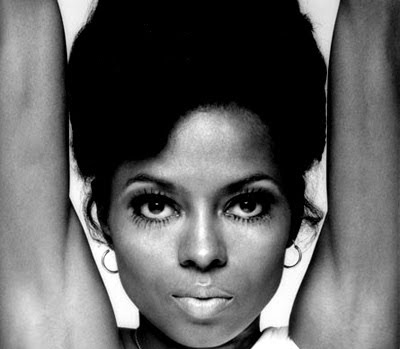
Former lead singer of the most successful girl group in history, The Supremes, Diana Ross burst into the 1970s with ambitions towards a successful film career as well. She recognized these ambitions with a string of successful films in the 1970s beginning with 1972's Motown classic, Lady Sings the Blues, the powerful biopic in which the life of the legendary Billie Holiday was brought to screen. For her performance in the role of Billie Holiday, Diana Ross was nominated for the Academy Award for Best Actress in 1972. Ross followed up the success of Lady Sings the Blues with two more classic films, Mahogany,in 1975 and The Wiz, the Black version of The Wizard of Oz in 1978. All three of these films were wildly successful in the 1970s, with the first two putting Motown and Berry Gordy on the scene as producers of films.
3. Cicely Tyson

Cicely Tyson began her career as a television star in the 1960s. By the 1970s, she had developed a successful film career as well. She established herself as a movie star in 1972 when she received an Academy Award nomination for Best Actress for the role of Rebecca Morgan in the film Sounder. Her other noted film from that decade was 1978's A Hero Ain't Nothin' But a Sandwich.
4. Pam Grier

Pam Grier was one of the queens of cinema in the 1970s, rightfully earning her title as the Queen of Blaxploitation. In the 1970s, Pam Grier personified the tough, assertive, ass-kicking Black woman who commanded respect and dealt punishment to those who refused to give her props. Beginning the decade with a bit role in the radical film, Beyond the Valley of the Dolls, Pam Grier headlined two films in the women-in-prison genre in 1971, Women in Cages and The Big Doll House. In 1972, Grier starred in the cult classic, Black Mama, White Mama and another women-in-prison film, The Big Bird Cage. With 1973's Coffy and 1974's Foxy Brown Grier established herself as the Queen of Blaxploitation, with Coffy wildly beating Tamara Dobson's Cleopatra Jones at the box office, which was released the same year. Grier enjoyed a string of successful films in the Blaxploitation genre during the 70s, enjoying tremendous popularity until the genre died out in the early 1980s.
5. Rosalind Cash
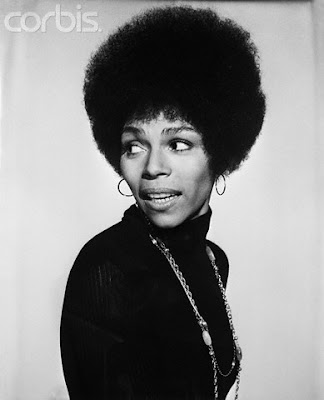
Rosalind Cash's was one of the most prominent and recognizable Black faces in popular culture during the 1970s. Making her film debut in 1971's Klute with Jane Fonda,Cash appeared in a series of films throughout the decade. In 1974, she was cast as the female lead in Sidney Poitier and Bill Cosby's hit film Uptown Saturday Night. Her other major film roles that decade came in 1974's Amazing Grace alongside Moms Mabley and Slappy White and 1975's Cornbread, Earl, and Me alongside Moses Gunn and Laurence Fishbourne.
6. Paula Kelly
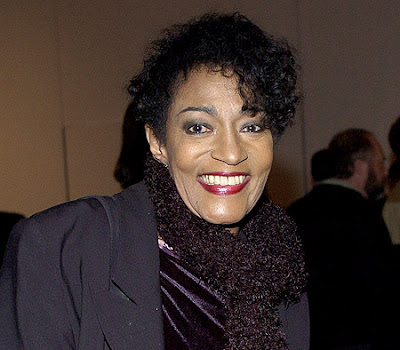
Making her film debut in 1969 in the fabulous musical brought to screen,Sweet Charity, alongside best friends Shirley MacLaine and Chita Rivera, Paula Kelly entered the 1970s as one of the most prominent actresses on television, the Broadway stage, and on film. In 1971, she was prominently cast in the hit film, The Andromena Strain and in 1973 she starred in the prominent Black film, The Spook that Sat by the Door. In 1974, she starred in the Sidney Poitier, Bill Cosby classic Uptown Saturday Night.
7. Debbie Morgan
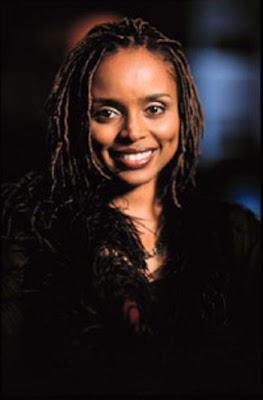
Debbie Morgan, an acclaimed television actress, was one of the most celebrated Black actresses of the 1970s. Appearing in the 1971 classic film, Mandingo, she made her name during that decade playing Elizabeth Harvey in the legendary miniseries, Roots.
8. Irene Cara
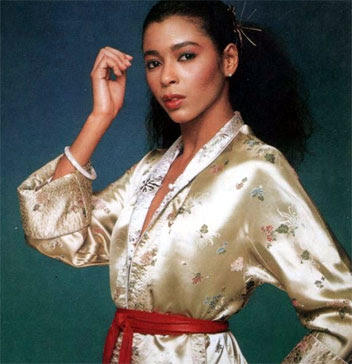
A prominent singer and actress, Irene Cara saw her most prominent film in 1976's hit film, Sparkle in which she played the title character. Building off of the success of Sparkle, she went on to star in the iconic television miniseries,Roots.
9.Lonette McKee
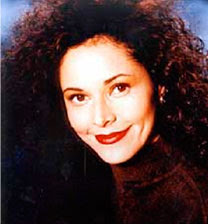
Lonette McKee saw her rise to fame in 1976 when she costarred with Irene Cara and Mary Alice in the hit film, Sparkle. With the success of Sparkle, she went on to enjoy a prominent career in the 1980s and 1990s.
10. Nell Carter
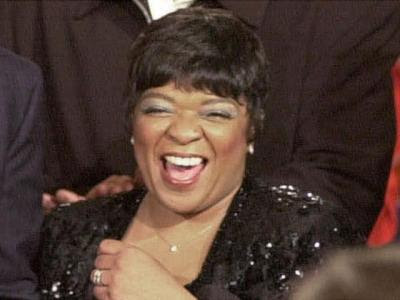
Nell Carter is one of television's most iconic figures, having carved out her place in history with the 1980s hit sitcom, Gimme A Break. Accomplished as an actress on Broadway,on television, and in film, Carter established herself as a superstar with her film debut in 1979's blockbuster rock musical,Hair.
Honorable Mentions:
Leslie Uggams
Mary Alice
Tamara Dobson
The 1960s
1. Diahann Carroll
The magnificent Diahann Carroll was the brightest Black star in the universe for most of two decades from the 1950s to the 1970s. Carroll made her film debut in 1954 in the legendary Dorothy Dandridge vehicle Carmen Jones in the role of Myrt and made her Broadway debut that same year in the Truman Capote play House of Flowers. After winning a Tony Award in 1962 for the Broadway play, No Strings, her career hit a new high when she received an Academy Award nomination for Best Actress for the film Claudine in 1974.
2. Diana Ross

Former lead singer of the most successful girl group in history, The Supremes, Diana Ross burst into the 1970s with ambitions towards a successful film career as well. She recognized these ambitions with a string of successful films in the 1970s beginning with 1972's Motown classic, Lady Sings the Blues, the powerful biopic in which the life of the legendary Billie Holiday was brought to screen. For her performance in the role of Billie Holiday, Diana Ross was nominated for the Academy Award for Best Actress in 1972. Ross followed up the success of Lady Sings the Blues with two more classic films, Mahogany,in 1975 and The Wiz, the Black version of The Wizard of Oz in 1978. All three of these films were wildly successful in the 1970s, with the first two putting Motown and Berry Gordy on the scene as producers of films.
3. Cicely Tyson

Cicely Tyson began her career as a television star in the 1960s. By the 1970s, she had developed a successful film career as well. She established herself as a movie star in 1972 when she received an Academy Award nomination for Best Actress for the role of Rebecca Morgan in the film Sounder. Her other noted film from that decade was 1978's A Hero Ain't Nothin' But a Sandwich.
4. Pam Grier

Pam Grier was one of the queens of cinema in the 1970s, rightfully earning her title as the Queen of Blaxploitation. In the 1970s, Pam Grier personified the tough, assertive, ass-kicking Black woman who commanded respect and dealt punishment to those who refused to give her props. Beginning the decade with a bit role in the radical film, Beyond the Valley of the Dolls, Pam Grier headlined two films in the women-in-prison genre in 1971, Women in Cages and The Big Doll House. In 1972, Grier starred in the cult classic, Black Mama, White Mama and another women-in-prison film, The Big Bird Cage. With 1973's Coffy and 1974's Foxy Brown Grier established herself as the Queen of Blaxploitation, with Coffy wildly beating Tamara Dobson's Cleopatra Jones at the box office, which was released the same year. Grier enjoyed a string of successful films in the Blaxploitation genre during the 70s, enjoying tremendous popularity until the genre died out in the early 1980s.
5. Rosalind Cash

Rosalind Cash's was one of the most prominent and recognizable Black faces in popular culture during the 1970s. Making her film debut in 1971's Klute with Jane Fonda,Cash appeared in a series of films throughout the decade. In 1974, she was cast as the female lead in Sidney Poitier and Bill Cosby's hit film Uptown Saturday Night. Her other major film roles that decade came in 1974's Amazing Grace alongside Moms Mabley and Slappy White and 1975's Cornbread, Earl, and Me alongside Moses Gunn and Laurence Fishbourne.
6. Paula Kelly

Making her film debut in 1969 in the fabulous musical brought to screen,Sweet Charity, alongside best friends Shirley MacLaine and Chita Rivera, Paula Kelly entered the 1970s as one of the most prominent actresses on television, the Broadway stage, and on film. In 1971, she was prominently cast in the hit film, The Andromena Strain and in 1973 she starred in the prominent Black film, The Spook that Sat by the Door. In 1974, she starred in the Sidney Poitier, Bill Cosby classic Uptown Saturday Night.
7. Debbie Morgan

Debbie Morgan, an acclaimed television actress, was one of the most celebrated Black actresses of the 1970s. Appearing in the 1971 classic film, Mandingo, she made her name during that decade playing Elizabeth Harvey in the legendary miniseries, Roots.
8. Irene Cara

A prominent singer and actress, Irene Cara saw her most prominent film in 1976's hit film, Sparkle in which she played the title character. Building off of the success of Sparkle, she went on to star in the iconic television miniseries,Roots.
9.Lonette McKee

Lonette McKee saw her rise to fame in 1976 when she costarred with Irene Cara and Mary Alice in the hit film, Sparkle. With the success of Sparkle, she went on to enjoy a prominent career in the 1980s and 1990s.
10. Nell Carter

Nell Carter is one of television's most iconic figures, having carved out her place in history with the 1980s hit sitcom, Gimme A Break. Accomplished as an actress on Broadway,on television, and in film, Carter established herself as a superstar with her film debut in 1979's blockbuster rock musical,Hair.
Honorable Mentions:
Leslie Uggams
Mary Alice
Tamara Dobson
The 1960s
Monday, April 25, 2011
Best Black Film Actresses By Decade:1980s
The 1980s were an interesting time in terms of growth of opportunity for Black Actresses in Hollywood. At the same time, however, there were still limits and glass ceilings that Black women faced in the movie industry. As opposed to the 1990s and the 2000s, only a slim few Black actresses consistently headlined major films in Hollywood. A lot more found themselves in Made for TV films. This list takes that into account while at the same time trying to remain in the realm of Hollywood cinema and film. With that in mind, here are the top ten Black actresses of the 1980s.
1. Alfre Woodard

Alfre Woodard best known as the mother, Carolyn, in Spike Lee's Crooklyn held court in the 1980s as one of the premier actresses of that decade. Landing an Oscar nomination for her performance as Geechee in 1983's CrossCreek, she was also a strong contender for the role of Miss Sophia in The Color Purple and made splashes across the small screen with major roles in Hill Street Blues and St. Elsewhere. Starting off the decade in Robert Altman's film HealtH, she then delivered a powerful performance in the 1982 screen adaptation of Ntozake Shonge's celebrated Broadway play, For Colored Girls Who Have Considered Suicide When The Rainbow Was Enuf. In 1986, she portrayed Winnie Mandela in the HBO film,Mandela.
2. Lynn Whitfield

The incredibly talented Lynn Whitfield, who brought Josephine Baker's life to the screen in 1991's The Josephine Baker story, was one of the most visible and lauded Black actresses of the 1980s. Beginning the decade with a powerful performance in the screen adaptation of Ntozake Shange's For Colored Girls Who Have Considered Suicide When The Rainbow is Enuf, she became highly visible with major television roles on Hill Street Blues,Cagney and Lacy,Miami Vice, and St. Elsewhere. In 1989, she added a major credit to her name with her portrayal of Ciel in Oprah Winfrey's television miniseries,The Women of Brewster Place. She also appeared in two other major films of the decade, Silverado in 1985 and Jaws: The Revenge in 1987.
3. Lonette McKee

Lonette McKee, who has made her career portraying the struggles of African American women of mixed heritage, was one of the most visible and successful Black actresses of the 1980s. Between 1980 and 1989, she appeared in four feature films, The Cotton Club in 1982,Brewster's Millions in 1985, 'Round Midnight in 1986, and Garden of Stone in 1987, a major feat in a decade where even the most celebrated of Black actresses, such as Cicely Tyson, were relegated to the realm of Made for TV movies and the occasional sitcom. McKee scored a major credit in 1989 when she portrayed Lorraine, a lesbian school teacher, in Oprah Winfrey's celebrated miniseries, The Women of Brewster Place.
4. Whoopi Goldberg

It could be argued that Whoopi Goldberg was the most commercially successful Black actress of the 1980s with three blockbuster hits in that decade, The Color Purple, Jumpin' Jack Flash, and Clara's Heart. 1985 was a pinnacle year in Whoopi Goldberg's career with her defining role as Celie in The Color Purple and her subsequent Oscar nomination for Best Actress.
5. Oprah Winfrey

The reigning Queen of Daytime Television and the wealthiest Black woman in the world, Oprah Winfrey made her own indelible mark on Hollywood in the 1980s. Hand-picked by Quincy Jones to play the character of Sophia in 1985's The Color Purple, Oprah etched that character and her own image into the public mind, setting herself up to become one of the most powerful people in the world. After landing an Oscar nomination for Best Supporting Actress for The Color Purple and appearing as the mother of Bigger Thomas in 1986's screen adaptation of Richard Wright's novel, Native Son, Oprah set up her own production company and produced the most celebrated miniseries of the decade, The Women of Brewster Place, starring herself, Jackee, Lynn Whitfield, Lonette McKee,Robin Givens, Mary Alice, Cicely Tyson, and Paula Kelly.
6. Jennifer Beals

Jennifer Beals burst out onto the Hollywood scene as the star of the 1983 surprise hit film, Flashdance, which grossed over $100 million dollars worldwide and was number three at the box office that year, behind Return of the Jedi and Terms of Endearment. Flashdance, was her only major film during the decade, but with this film she established herself and the film into the cultural iconography of American cinema.
7. Margaret Avery

Margaret Avery etched her name into pop culture with her unforgettable performance as Shug Avery in 1985's The Color Purple alongside Whoopi Goldberg and Oprah Winfrey. She along with Oprah and Whoopi were the three Black women nominated for Academy Awards in 1985.
8. Irene Cara

Irene Cara was a major star of the 1970s and 80s, modeled somewhat in the fashion of Donna Summer, a double threat with both an amazing music career(she received the Oscar in 1983 for Best Song for "What a Feeling"-the theme song to the hit film Flashdance and won several Grammy awards) and a lauded career as an actress. Her appearance in the iconic film, Fame in 1980 as Coco Hernandez, lands her on this list. Unfortunately, after Fame, Cara never appeared in another major film.
9. Debbie Allen

Debbie Allen, the dancer, choreographer,director, actress makes this list for her memorable performance as Michelle, one of the wives of Richard Pryor in his 1986 biopic, JoJo Dancer Your Life is Calling. The scene of her dancing on stage at the nightclub is one of the most sensuous scenes in cinematic history and the car scene with Pryor is also quite memorable. Allen also appeared in the 1980 hit film, Fame as well as in the television series of the same name.
10. Rae Dawn Chong

Daughter of comedian and actor, Tommy Chong, Rae Dawn Chong enjoyed a very rewarding career as a film actress in the 1980s, starring in fourteen feature films between 1980 and 1989. Her most memorable roles that decade came in 1985's The Color Purple in the role of Squeaks/Mary Agnes and in 1986's Soul Man playing opposite C.Thomas Howell.
Honorable Mentions:
Jackee
Robin Givens
Paula Kelly
Phylicia Rashad
The 1970s
1. Alfre Woodard

Alfre Woodard best known as the mother, Carolyn, in Spike Lee's Crooklyn held court in the 1980s as one of the premier actresses of that decade. Landing an Oscar nomination for her performance as Geechee in 1983's CrossCreek, she was also a strong contender for the role of Miss Sophia in The Color Purple and made splashes across the small screen with major roles in Hill Street Blues and St. Elsewhere. Starting off the decade in Robert Altman's film HealtH, she then delivered a powerful performance in the 1982 screen adaptation of Ntozake Shonge's celebrated Broadway play, For Colored Girls Who Have Considered Suicide When The Rainbow Was Enuf. In 1986, she portrayed Winnie Mandela in the HBO film,Mandela.
2. Lynn Whitfield

The incredibly talented Lynn Whitfield, who brought Josephine Baker's life to the screen in 1991's The Josephine Baker story, was one of the most visible and lauded Black actresses of the 1980s. Beginning the decade with a powerful performance in the screen adaptation of Ntozake Shange's For Colored Girls Who Have Considered Suicide When The Rainbow is Enuf, she became highly visible with major television roles on Hill Street Blues,Cagney and Lacy,Miami Vice, and St. Elsewhere. In 1989, she added a major credit to her name with her portrayal of Ciel in Oprah Winfrey's television miniseries,The Women of Brewster Place. She also appeared in two other major films of the decade, Silverado in 1985 and Jaws: The Revenge in 1987.
3. Lonette McKee

Lonette McKee, who has made her career portraying the struggles of African American women of mixed heritage, was one of the most visible and successful Black actresses of the 1980s. Between 1980 and 1989, she appeared in four feature films, The Cotton Club in 1982,Brewster's Millions in 1985, 'Round Midnight in 1986, and Garden of Stone in 1987, a major feat in a decade where even the most celebrated of Black actresses, such as Cicely Tyson, were relegated to the realm of Made for TV movies and the occasional sitcom. McKee scored a major credit in 1989 when she portrayed Lorraine, a lesbian school teacher, in Oprah Winfrey's celebrated miniseries, The Women of Brewster Place.
4. Whoopi Goldberg

It could be argued that Whoopi Goldberg was the most commercially successful Black actress of the 1980s with three blockbuster hits in that decade, The Color Purple, Jumpin' Jack Flash, and Clara's Heart. 1985 was a pinnacle year in Whoopi Goldberg's career with her defining role as Celie in The Color Purple and her subsequent Oscar nomination for Best Actress.
5. Oprah Winfrey

The reigning Queen of Daytime Television and the wealthiest Black woman in the world, Oprah Winfrey made her own indelible mark on Hollywood in the 1980s. Hand-picked by Quincy Jones to play the character of Sophia in 1985's The Color Purple, Oprah etched that character and her own image into the public mind, setting herself up to become one of the most powerful people in the world. After landing an Oscar nomination for Best Supporting Actress for The Color Purple and appearing as the mother of Bigger Thomas in 1986's screen adaptation of Richard Wright's novel, Native Son, Oprah set up her own production company and produced the most celebrated miniseries of the decade, The Women of Brewster Place, starring herself, Jackee, Lynn Whitfield, Lonette McKee,Robin Givens, Mary Alice, Cicely Tyson, and Paula Kelly.
6. Jennifer Beals

Jennifer Beals burst out onto the Hollywood scene as the star of the 1983 surprise hit film, Flashdance, which grossed over $100 million dollars worldwide and was number three at the box office that year, behind Return of the Jedi and Terms of Endearment. Flashdance, was her only major film during the decade, but with this film she established herself and the film into the cultural iconography of American cinema.
7. Margaret Avery

Margaret Avery etched her name into pop culture with her unforgettable performance as Shug Avery in 1985's The Color Purple alongside Whoopi Goldberg and Oprah Winfrey. She along with Oprah and Whoopi were the three Black women nominated for Academy Awards in 1985.
8. Irene Cara

Irene Cara was a major star of the 1970s and 80s, modeled somewhat in the fashion of Donna Summer, a double threat with both an amazing music career(she received the Oscar in 1983 for Best Song for "What a Feeling"-the theme song to the hit film Flashdance and won several Grammy awards) and a lauded career as an actress. Her appearance in the iconic film, Fame in 1980 as Coco Hernandez, lands her on this list. Unfortunately, after Fame, Cara never appeared in another major film.
9. Debbie Allen

Debbie Allen, the dancer, choreographer,director, actress makes this list for her memorable performance as Michelle, one of the wives of Richard Pryor in his 1986 biopic, JoJo Dancer Your Life is Calling. The scene of her dancing on stage at the nightclub is one of the most sensuous scenes in cinematic history and the car scene with Pryor is also quite memorable. Allen also appeared in the 1980 hit film, Fame as well as in the television series of the same name.
10. Rae Dawn Chong

Daughter of comedian and actor, Tommy Chong, Rae Dawn Chong enjoyed a very rewarding career as a film actress in the 1980s, starring in fourteen feature films between 1980 and 1989. Her most memorable roles that decade came in 1985's The Color Purple in the role of Squeaks/Mary Agnes and in 1986's Soul Man playing opposite C.Thomas Howell.
Honorable Mentions:
Jackee
Robin Givens
Paula Kelly
Phylicia Rashad
The 1970s
Subscribe to:
Posts (Atom)